Where We Need to Be – A Digital Diagnosis and DREAMS™

The Joint Advisory Committee (JAC) released a Report to Congress that commented about the DREAMS™ EMS Emergency Ambulance Telemedicine System pursuant to the recommendations of the 9/11 Commission Act.

The Joint Advisory Committee on Communications Capabilities of Emergency Medical and Public Health Care Facilities (Joint Advisory Committee) was established by the Chairman of the Federal Communications Commission and the Assistant Secretary for Communications and Information, U.S. Department of Commerce pursuant to the Implementing Recommendations of the 9/11 Commission Act of 2007. The Joint Advisory Committee’s mission is to examine the communications capabilities and needs of emergency medical and public health care facilities.

The Committee released a Report to Congress dated February 4, 2008. The report details the status of communications systems for EMS and health care systems and possible technologies that may be utilized to advance beyond the current state of most communications.

The report commented about the accomplishments of DREAMS™:

“In Texas, they put their digital dreams on the road. The DREAMS™ (Disaster Relief and Emergency Medical Services) effort links medics in the field with doctors in the emergency room. This digital EMS system includes a high tech interactive digital ambulance. The program develops and tests a variety of telemedicine and telecommunications technologies that feature real time remote monitoring of patients who are in locations where hospital care is not readily available. These technologies are being designed to offer emergency medical care in rural areas, on the battlefield, and in disaster areas.

The program has resulted in numerous accomplishments, discoveries, and improvements. These digital ambulances – capable of communicating with voice, video, or text can deliver high quality video and real time patient data to the remote ER physician, greatly enhancing the physician’s situational awareness in the ambulance to support the medical decision making process.

The ambulance hardware integrates communications systems with commercial, off the shelf medical and computer devices such as digital video cameras, GPS navigation systems, rugged laptops, signature pads, bar code scanners, vital signs monitors, 12 lead EKGs, portable blood analyzers, ultrasounds and more.

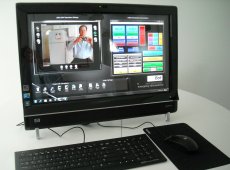
The system allows the ER physician to receive video, audio, real time medical data, and text from the ambulance and transmit audio, text, and video annotations to the ambulance. The ER physician can remotely control the multiple video cameras in the ambulance to pan, tilt, or zoom to view the patient’s injuries. With colored, on screen markers, the physician can coach the EMTs through treatment that extends beyond normal EMS protocols.

To make it all possible, they combine multiple low bandwidth communications systems like cell phones, satellite phones, and data radios in order to produce enough bandwidth to send things like video.”

PDF Download view full version of JAC Committee report..

DREAMStm : A Highly Developed EMS Ambulance Telemedicine System

DREAMS™ PROJECT (Disaster Relief and Emergency Medical Services) is a major development effort to address many important issues in emergency medicine and disaster relief. No other such system has under-gone such extensive scrutiny and extensive evaluation of so many important issues by so many leading scientists and engineers.

The following was prepared by S. Ward Casscells, M.D., former Assistant U.S. Secretary of Defense (Health Affairs). Dr. Casscells participation in the DREAMStm Project helped to earn him the General Maxwell R. Thurman Award, the Department of Health and Human Service’s Best Public Health Practice Award, and the Memorial Hermann Health System’s Hero Award. more info..

(The following material is taken from defenseofhouston.com to demonstrate the extensive plan and development of the DREAMStm system which encompasses many subjects related to disaster management and emergency medicine. Defense of Houston was made possible by the Disaster Relief and Emergency Services (DREAMS) program of the US Army based at the University of Texas Health Science Center at Houston and Texas A & M University (DoD grant no.DAMD17-98-1-8002). DREAMStm physicians and scientists acknowledge with gratitude the vision, leadership, and advice of Senator Kay Bailey Hutchison, and Congressmen Tom DeLay, Ken Bentsen, Henry Bonilla, and Kevin Brady.)

DREAMS is a US Army-sponsored program led by The University of Texas Health Science Center at Houston, Texas A&M University, Texas Heart Institute and Memorial Hermann Hospital. The program is aimed at improving the care of emergencies, both on the battlefield and in civilian life. It takes advantage of Houston’s high incidence of medical emergencies and surgical trauma, including natural disasters and industrial accidents, to test the latest technologies for emergency care. The work is divided into three broad areas: Digital EMS (Emergency Medical Services), Chemical Warfare Defense, and STAT (Science Triage and Treatment), a program aimed at improving the diagnosis and treatment of tissue injuries.

Desert Storm, Bosnia, the bombings in Oklahoma City and at the World Trade Center all demonstrated opportunities for improvement. We proposed to the Army that Houston could help, because of the high incidence of blunt and penetrating trauma, and because The Texas Medical Center (the world’s largest), The University of Texas and Texas A&M University combine leading medical bioengineering and telecommunications research. The Army and Congress agreed, and the $18m spent to date has accomplished all that was expected, and more.

The DREAMS program has resulted in numerous discoveries and inventions, as well as a good deal of television coverage. Some examples are included in the enclosed DREAMS video, which also documents the strong support from former President Bush, Senator Hutchison, General John Parker, Representatives Delay, Bentsen, Archer, Bonilla, Mayor Lee Brown, former Governor Bush and FEMA.

Also noteworthy are the spin-offs. For example, the DREAMS program initiated four years ago to deploy automatic external defibrillators in Houston has led hundreds of businesses, churches, civic groups, apartment houses, medical offices and clubs to purchase these devices. Dozens of survivors of sudden cardiac arrest are ample testimony to the success of this program. We are happy to report that the City of Houston, led by the fire department’s EMS director, David Persse, M.D., and Mayor Lee Brown, have made Houston the most advanced city in the nation in the deployment of AEDs.

A second important spin-off has been the Houston Task Force for Counter terrorism. Ambassador Ed Djerejian, Director of the James A. Baker, III Institute for Public Policy at Rice University, has taken the lead in organizing this task force, on which Dr. Duke and Dr. Casscells serve, together with the Mayor, FBI leaders, public health officials and presidents of the leading institutions in The Texas Medical Center.

Finally, DREAMS has already spun off at least two companies. One is Intelligent Diagnostics, a Web site that helps people rapidly evaluate their symptoms and decide whether (after consultation with their doctor) they can safely ignore or watch these symptoms, or whether they need a doctor’s appointment or an immediate visit to the emergency room. The goal is to decrease deaths (e.g., due to misunderstanding the warning signs of heart attack) and, conversely, decrease unnecessary visits to the doctor or emergency room.

Another spin-off is Volcano Therapeutics, Inc. This company is developing catheters to detect inflamed regions and local areas of inflammation, which are signs of vulnerable atherosclerotic plaques (precursors to heart attack and stroke) or cancer.

DREAMS has been a successful public-private partnership. It has funded a program too broad for the mandate of the NSF, too high-risk for the mandate of the National Institutes of Health, and not “risky enough” for the mission of DARPA. The Congressional support has been critical in catalyzing this unique program. Listed below are the projects for which $10M is requested from Congress for the FY 2002 Army budget.

I. DIGITAL EMS. The digital emergency medical services (Digital EMS) program is led by famed trauma surgeon and educator, Dr. James H. “Red” Duke, Jr., the pioneer of helicopter rescue. Dr. Duke is the Holmes Professor of Surgery at UT Houston and Medical Director of LifeFlight. The software, hardware and telecommunications aspects of this program are led by Texas A&M Professors, Jim Wall, Ph.D., and Larry Flournoy, under the leadership of A&M’s Vice President for Research, Professor Richard Ewing, Ph.D. The digital EMS program is developing wireless video communications and combining GPS (Global Positioning System) technology and advanced software to enable ambulances and helicopters to reach the victim sooner, begin diagnosis and treatment on the scene, and coordinate helicopters and ambulances to minimize transport time to the nearest appropriate facility, using continuous communication with these facilities and Houston’s Intelligent Highway System. Other technical support for this program is generously provided by Johnson Space Center and the U.S. Navy. Details of the current work follow: (per Joan Tatge and Doug Tindall).
[hr]

II. CHEMICAL WARFARE DEFENSE. Per A&M

III. SCIENCE, TRIAGE AND TREATMENT (STAT). The Science, Triage and Treatment (STAT) program complements the Digital EMS and Chemical Warfare Defense Program by focusing on the basic and applied sciences that will enable us to better diagnose and treat injuries. The program is led by James T. Willerson, M.D., Randall Professor and President, UT Health Science Center at Houston, Medical Director of the Texas Heart Institute, Editor-in-Chief of Circulation, member of the Institute of Medicine, and the American College of Cardiology’s Distinguished Scientist for 2000.

Body Defenses Against Chemical and Biological Threats.

Detection and Quantitation of Bacillus anthracis in Macrophages. Under the direction of Theresa M. Koehler, Ph.D., scientists are investigating the germination and growth of the anthrax bacterium in macrophages, a critical early step in anthrax pathogenesis. B. anthracis is considered to be among the microorganisms with potential use as a biological weapon in a terrorist or military act.

Up-Regulation of P450–a Natural, Broad-Based Defense Against Chemical and Biological Threats. Henry Strobel, Ph.D., and colleagues are studying the cytochrome P450 system. The lungs are the major point of entry for microbes and airborne toxins. This project will characterize the response of cytochromes P450 to infection. The eventual goal is to maximize the protection afforded by P450 cytochromes in the lung by gene therapy or pharmacologic up-regulation of P450s.

[hr]

B. New Diagnostic Techniques.

1. Is Hypothermia Helpful in Triage?

Ward Casscells, M.D., Tyson Distinguished Professor and Chief of Cardiology, and colleagues have discovered a simple but previously unsuspected finding, namely that a fall in body temperature is an accurate predictor of death within hours or days in patients with congestive heart failure. If this finding is also applicable to patients with surgical shock and other conditions (and Dr. Duke believes it is), this would provide a simple, fast and inexpensive way to improve triage, the imperfect process in which medical personnel try to divide the injured into those who need immediate help in order to survive, those who cannot be helped, and those whose injuries can wait.

2. Infrared Spectroscopic Diagnosis of Vulnerable Atherosclerotic Plaques.

Morteza Naghavi, M.D., and colleagues are developing the use of infrared spectroscopy, an instantaneous, noninvasive and relatively inexpensive technology–to detect areas of inflammation, areas of cell death, and foreign bodies. The model they have been using is atherosclerotic plaque, the leading cause of heart attack and stroke. The progress made to date suggests that it will soon be possible to identify vulnerable plaque earlier and intervene to prevent heart attack and stroke. Detection of abscesses, necrosis, and malignancy may follow from this work.

3. Thermal Detection and Treatment of Inflammation and Necrosis.

A second and even simpler means of approaching the above problems is being developed by S. Ward Casscells, M.D., and colleagues. They have discovered that thermal imaging is a feasible means of detecting vulnerable atherosclerotic plaque. Alone, or in combination with the infrared spectroscopy being developed by Dr. Naghavi, thermal imaging holds great promise in preventing heart attack and stroke. A second discovery by Dr. Casscells is that heat has an anti-inflammatory effect. Casscells and colleagues are developing this into a treatment to reduce inflammation, for example, to prevent heart attack and stroke.

4. Physiological Magnetic Resonance Imaging.

James T. Willerson, M.D., and Morteza Naghavi, M.D., have developed ways that magnetic resonance imaging can be adapted to provide noninvasive thermal mapping. They have further developed a technique for imaging inflammation by adapting a paramagnetic particle for high specificity uptake by macrophages. They are also exploring the therapeutic potential of magnetic resonance-induced heating.

5. A Surgical Instrument for Real-Time Tissue Analysis.

S. Ward Casscells, M.D., is developing a device that uses multiple biophysical techniques to determine, on line, the type of tissue and the state of its health. This should prove useful to surgeons, gastroenterologists and others who need to make tissue diagnoses on line, for example, during cystoscopy, bronchoscopy, laparoscopy, arthroscopy, etc.

[hr]

C. Extending the Golden Hour.

1. Evaluation of a New Axial Flow Pump, Inserted by Minimally Invasive Thoracotomy, to Maintain Cardiac Output in a Porcine Model.

O.H. Frazier, M.D., is determining whether the Jarvik 2000 pump, pioneered by him at the Texas Heart Institute, can be used urgently to support victims of hemorrhagic shock. He has developed a porcine model to determine whether clinical trials are warranted.

2. Mechanisms of Cardiomyocyte Injury in Shock.

L. Maximilian Buja, M.D., Dean of the Medical School, and Jeannie McMillin, Ph.D., are dissecting the roles of cytokines and reactive oxygen species in the injury caused to the heart after reperfusion, such as during resuscitation of shock victims. In our studies with the endotoxin, lipopolysaccharide (LPS), a know initiator of programmed cell death (apoptosis) in other systems, we found that our cultured neonatal cardiomyocytes are resistant to the LPS cell death-signaling cascade even though the same cells are capable of undergoing apoptosis in response to chronic exposure to the saturated fatty acid, palmitate. In our most recent studies, we demonstrated that the anti-inflammatory prostanoid, CydPGJ2, prevents nuclear translocation of NFkB and phosphorylation of IkB alpha, inhibits secretion of TNF-alpha when added prior to LPS and results in a 10-fold activation of caspase 3-like activity (a key enzyme in apoptosis). We find these results to be extremely exciting as they suggest (in agreement with other investigators) that gene transcription by NFkB is cardioprotective and that synthesis of the anti-inflammatory PGJ2 may be suppressed in the neonatal cardiomyocytes compared to adult ardiomyocytes, thereby conferring differential susceptibility to apoptosis in adults versus neonates. We are actively pursuing the implications of these findings in our current work.

3. Molecular Regulation of Apoptosis in Wound Healing. 

Yong-Jian Geng, M.D., Ph.D., is trying to determine: 1) the effects of heat or gene expression, 2) the role of heat-shock proteins in inflammation and apoptosis using the model of experimental atherosclerosis, 3) the mechanism of preferential sensitivity of macrophages to thermal apoptosis, 4) whether oxidized LDL cholesterol interferes with the apoptosis clearance mechanism.

4. Nitric Oxide in Organ Failure.

Bruce Kone, M.D., is exploring the beneficial and detrimental effects of nitric oxide—which impacts thrombosis, vascular tone and apoptosis—in models of sepsis and multiple organ failure.

5. Nitro Tyrosine Formation, Metabolism and Function.

Ferid Murad, M.D., Ph.D., Using endotoxin and/or various proinflammatory cytokines to induce inflammation in animals and/or cell culture systems, we are identifying proteins that are nitrated on their tyrosine residues. Protein nitration can occur due to increased formation of nitric oxide, superoxide anion and peroxynitrite that results from inflammation and tissue injury. The identification of these nitrated proteins and their function could provide new approaches for therapy of inflammation and tissue injury.

[hr]

D. Prevention of Complications, Promoting Wound Healing and Regeneration.

1. Gene Transfer of Tissue-Factor Pathway Inhibitor to Prevent Thrombosis and Restenosis after Arterial Injury.

Pierre Zoldhelyi, M.D., is developing improved gene therapy techniques to prevent the blood clotting and subsequent restenosis that often complicates angioplasty and other interventions.

2. Induction of Chemokine Expression in Endothelial Cells by C-reactive Protein.

Ed Yeh, M.D., Chairman of Cardiology at M.D. Anderson Cancer Center, is characterizing the adhesion molecules that mediate the adhesion of monocytes to atherosclerotic plaques.

3. Pathophysiology, Prevention and Treatment of Atrial Arrhythmias.

Hasan Garan, M.D., the President George H.W. Bush Professor of Medicine, is exploring the feasibility, in an animal model, of a less damaging means of eliminating clusters of cells that cause cardiac arrhythmias.

4. Genes Regulating Wound Healing and Susceptibility to Oxidative Injury.

Using an inbred canine model of atherosclerosis as a model of chronic wounding and oxidative stress, James T. Willerson, M.D., is identifying novel genes involved in the response to these stresses.

[hr]

Disaster Relief and Emergency Medical Services Project (DREAMStm):

UT-Digital EMS Project:

That life threatening injuries and acute illnesses occur on the battlefield, on highways and in urban settings is a harsh reality. It is also a fact that early accurate diagnoses and institution of appropriate therapy improves survival in many instances. During recent decades, significant progress has been made in reducing the interval between the onset of the problem and the institution of treatment as a result of the development of skilled medics and paramedics and improved equipment modes of rapid transportation. With recent advances in telecommunication technology, it is now possible to decrease even further the time lapse between the incident and the institution of appropriate therapy utilizing digital technology to transmit real time physiologic data and two-way audio- visual communications. It will be possible to have physician present on the battlefield or the highway mentoring the first responding medical personnel which will improve outcome in many instances through improved diagnoses, implementation of life saving procedures and institution of definitive treatments. Wherever possible new military technologies for combat casualty care will be integrated into the program. DREAMST builds upon an earlier USAMRMC DAMD 17-98-2-8002 and the Advanced Research Projects Agency (ARPA) sponsored project titled, “Advanced Fire Protection Technologies”, June 23, 1995, where UTHSCH tested a prototype “Emergency Information Resource and Response Management System.”

University of Texas Health Science Center at Houston Digital EMS Project

1. Work with Texas A&M University to Enhance Current Technologies within the Digital EMS Vehicle and Associated Hospital Systems — The University of Texas Health Science Center at Houston (UTHSCH) personnel will work closely with Texas A&M University System (TAMUS) to continue the design, development, integration, and operation of a system (Digital EMS) which allows telecommunication (video, voice, and data) between rural and remote emergency services and the physicians in the trauma center. UTHSCH is responsible for the identification of candidate medical technologies for inclusion by the TAMUS Digital EMS design team. Additionally, UTHSCH will develop online medical rotocols of currently approved Life Flight emergency protocols to be integrated into the Digital EMS project by TAMUS project team.

2. Enhance the Existing Digital EMS System to Accommodate Additional Functionality –UTHSCH personnel will work in close collaboration with the Naval Research Laboratory (NRL) to develop a next generation satellite-networked system capable of two-way audio, video, and data communication between an ambulance and the UTHSCH.

3. Integrate Online Treatment Protocols and Medical Records Information into the Existing System for Enhancing System Functionality — Using approved medical treatment protocols and Digital EMS technology, UTHSCH physicians will perform expeditious patient evaluations and guide appropriate interventions. Where available, UTHSCH will create access to emergency records databases queried for patient specific medical information allowing the TAMUS design team to integrate previous medical history into the emergency medical record as directed by the UTHSCH medical director.

4. Enhance the Existing Infrastructure for Supporting a Network of Multiple Digital EMS Vehicles and Hospital Systems in an Integrated Environment – UTHSCH will link the UT-Houston Medical School and the TAMUS’ Institute of Biosciences and Technology (IBT) facility via a private fiber network path. The fiber path will allow the Digital EMS facilities at UTHSCH and the affiliated teaching hospital, Hermann Hospital, to communicate at a high data rate to multiple statewide, national, and international high bandwidth networks at the IBT gigapop.

5. Develop and Test a Prototype Digital EMS Vehicle in Diverse Urban and Rural Settings for Evaluation and Performance Analysis of Integrated Digital Technologies — As integrated by the Texas A&M System Engineering team, deploy new Digital EMS vehicles and technology in several rural and remote locations within Texas. Digital EMS prototypes tested in these field locations provide user feedback during real life emergency calls.

6. Study of Developed Technologies for Application in the Digital EMS Life Flight Vehicles to Support Additional Medical Functionality for Trauma Care at Remote and Hospital Sites – The Digital EMS system includes plans for outfitting rotary and fixed wing aircraft used by the Hermann Hospital Life Flight service. Re-certification of the avionics and airframe for the installation of new communications hardware and computer systems developed by the Digital EMS team is expected. The extent of the process is unclear at this time, but UTHSCH and TAMUS researchers are committed to serious consideration to outfit Life Flight vehicle(s) with Digital EMS technology.

7. Evaluation of New Technologies for Inclusion in the Digital EMS Vehicle to Support Additional Medical Functionality for Trauma Care at Remote and Hospital Sites – Noise within the ambulance patient compartment is a problem if the Digital EMS computer system is to use advancing technologies like voice recognition software for command and control. UTHSCH has identified several methods for noise cancellation developed by others in industry and will valuate the candidate technologies for the Digital EMS vehicles.

8. Develop Methodologies for Using New Local, State, and National Network Infrastructures for Providing the Digital EMS Vehicles with High Speed Terrestrial Connectivity to the Hospital Nodes – UTHSCH will work closely with TAMUS and with organizations funded under the Texas Infrastructure Fund, Internet2, and the National Science Foundation networking initiatives to provide high speed terrestrial connectivity.

9. Publish Findings and Results in Appropriate Conference Proceedings and Journals and Demonstrate Capabilities of the Digital EMS Ambulance.

10. Provide Project Progress Reports Quarterly

[hr]

Executive Summary / Project Overview:

The Disaster Relief and Emergency Medical Services (DREAMStm) project is a consortium of scientists, medical professionals, and engineers from The University of Texas Health Science Center at Houston (UTHSCH) and the Texas A&M University System. The goal of DREAMS is to improve the diagnosis and treatment of critically ill or injured soldiers in the field by expediting their access to medical experts at trauma centers or field hospitals. DREAMS will test the new systems developed in this program in varied rural, remote and urban settings in Texas. We hope to qualify and overcome not only the technology issues while communicating with a mobile distant emergency vehicle, but also to develop procedures for tele-mentoring of remote medics and other medical personnel through the transportation and transfer of critically injured people.

The UT-Digital EMS Project builds upon an earlier USAMRMC DAMD 17-98-2-8002, February 3, 1998, and the Advanced Research Projects Agency (ARPA) sponsored project titled, “Advanced Fire Protection Technologies”, June 23, 1995, where UTHSCH tested a prototype “Emergency Information Resource and Response management System”. UTHSCH researchers and engineers are working on two components of the DREAMS program:

1. The University of Texas Digital EMS Project, and

2. Mechanisms, Diagnosis, and Treatment of Tissue Injuries.

*************** [NOTE: Now renamed STAT]****************************
[hr]

1.1 The University of Texas Digital EMS Project

Digital EMS is the DREAMS component that allows trauma and other medical specialists to treat patients more quickly by providing a “virtual” presence of a physician on the battlefield or at the emergency scene. Physicians and engineers of the UT-Digital EMS team provide medical direction, practical knowledge, and experience to apply advancing technologies to the treatment of patients before they reach the trauma center. Additionally, the UT-Digital EMS team identifies candidate medical technologies for inclusion in the Digital EMS project, develops online medical protocols, and supervises field-testing of the Digital EMS emergency vehicles. UT-Digital EMS researchers and Texas A&M System Digital EMS engineers completed the Digital EMS phase one ambulance prototype, InteractTM, shown at the ATA 1999 conference in Salt Lake City. InteractTM connects emergency medical personnel on the scene with trauma specialists in distant hospitals, allowing physicians to monitor patients using real-time video and vital signs data from a suite of advanced digital medical monitoring equipment. The proposed duration of this subproject is 18 months from December 1, 1999 through May 31, 2001.

1.2 Mechanisms, Diagnosis, and Treatment of Tissue Injuries

Researchers at UTHSCH will submit a separate proposal for the DREAMS:

Mechanisms, Diagnosis, and Treatment of Tissue Injuries (MDTTI). While the Digital EMS projects at UTHSCH and Texas A&M University are ready to field test new therapies developed by the MDTTI Project, the MDTTI proposal is completely separate in scope of work and deliverables. Hence, details of the MDTTI Projects are not addressed in the present proposal. Please refer to the Mechanisms, Diagnosis, and Treatment of Tissue Injuries proposal (Log No. 99200002) for more information their role in DREAMS Project.

1.3 Role of Texas A&M University Collaborators

Researchers at Texas A&M University will submit separate proposal for their role in the DREAMS: Digital EMS project. Texas A&M University will continue to work closely with the UT-Digital EMS Project team to develop the medical needs of remote and rural emergence medicine into an integrated system of varied communications and medical technologies to fulfill the identified goals of the Digital EMS project. Hence, detailed engineering and design of the TAMUS project are not addressed in the present proposal except where necessary for clarification of UT-Digital EMS work. Please refer to Texas A&M University’s proposal (Log No. 99200004) for more information their roles in DREAMS Project.

LifeBot® Signs Option for DREAMStm : The $14 million advanced “Super Ambulance” emergency EMS telemedicine system developed with U.S. Army Materiel Command

LifeBot® announced today it has executed an Option Agreement pursuing world-wide exclusive licensing rights to DREAMStm, the $14 million advanced EMS ambulance telemedicine and disaster management system developed by Texas A&M, UTHealth, and the U.S. Military.

Phoenix, AZ, USA November 17, 2010: LifeBot, LLC acted today to expand its leading technology position in emergency telemedicine communications. Combining DREAMStm with LifeBot® patented technologies promises to make available the most powerful and advanced prehospital EMS communications systems. Considered by many to be the most highly developed ambulance to hospital EMS telemedicine communications system ever deployed, DREAMStm is the first and only system to provide fully interactive simultaneous “live” transmissions of video and critical patient data. The system in essence brings hospital specialists to the scene giving to doctors and nurses a virtual telepresence to collaborate in saving lives and managing disasters in real time, on the “battlefield”, at home or abroad.


DREAMS™ slide-show shows what features make a Super Ambulance for EMS telemedicine.

The “Super Ambulancetm” system utilizes multiple remote controlled cameras to provide hospital based emergency specialists invaluable live intelligence, emergency preparedness or “situational awareness” so prompt, objective, and safe life-saving assessments and treatments may be made. The hospital knows more precisely “what’s coming in the door” and can accurately prepare the appropriate assets accordingly and reduce costs.1 The patient’s physiologic vital signs, data, and medical record reporting e-PCR are updated dynamically between the hospital and the scene. The system is especially valuable for treatment of cardiac, trauma, stroke victims and is important in remote areas where transport times may be prolonged. And, the system may actually act to protect ambulance personal and providers during sensitive difficult situations.2It may enhance critical decisions during disasters and mass casualty events. DREAMStm can make the difference in saving thousands of lives, reducing medical errors and their associated risks further lowering costs.


DREAMS™ network videos display real-time use of the advanced ambulance telemedicine system.

This development also signals an alliance of extraordinary industry expertise. R. Lee Heath, the CEO and founder of LifeBot®, has recently been awarded his thirty-first patent and is best known as the inventor businessman making possible the modern Automatic External Heart Defibrillator (AED). Heath has many more patents pending that may also be aligned with DREAMStm developer’s pending patents. For example, the DREAMStm family includes a backpack telemedicine system that may be worn by medics on the front-line and in military battlefield operations. Heath’s awarded patent covers a miniaturized telemedicine life support system ideal for such applications. The company is excited about working on the evolution of these advancements with the “DREAMStm Team”.

LifeBot® has successfully marketed the first fully digital VOIP (Voice Over IP) telemedicine communications workstation for use in hospital Emergency Departments and 911 dispatch call centers. Orders for this product are currently being filled by the company. The workstation is the ideal launch-pad for the DREAMStm technologies adding control of radio, telephone, cellular and broadband communications now in demand nationally for hospital and public safety interoperability after the 9-11 terrorism disaster. The system qualifies for most broadband telemedicine and interoperability communications grants provided by DHS, ASPR, and BTOP Stimulus funding.

LifeBot® recently signed an agreement with Avia Health Informatics, Plc or Plain Healthcare. The LifeBot® communications workstation system may include their Odysseytm nurse teletriage software that has demonstrated significant and safe reductions in non-emergent transports and has saved major metropolitan EMS providers millions of dollars.3 When combined with DREAMStm, the combination represents an opportunity to substantially lower overall provider costs while, at the same time, increasing both the levels and quality of emergency patient care using deployment of the advanced ambulance telemedicine systems. The company has also signed agreements with Bosch, Hewlett-Packard and Clearwire to utilize their leading technologies within its designs.

Jonathan Linkous, CEO of the American Telemedicine Association has stated, “Residents of major metropolitan areas should expect most ambulances to have mobile video and data links within a decade.” Dr. Rifat Latifi, a leading authority and Director of Telemedicine at the University of Arizona has stated, “I think five years is more reasonable. It should be part of our practice.” 4 The convergence of LifeBot® and DREAMStm tested and proven technologies can make this now feasible, plus a lot more that will be announced in the near future, according to LifeBot® CEO Heath. 

About DREAMStm

The DREAMStm (Disaster Relief and Emergency Medical Services) digital emergency medical services (Digital EMS) program is led by famed trauma surgeon and educator, Dr. James H. “Red” Duke, Jr. Dr. Duke is professor of surgery, holder of the John B. Holmes Professorship and chief of surgery at the University of Texas Health Science Center at Houston (UTHealth), as well as medical director of Memorial Hermann Life Flight. The software, hardware, and telecommunications aspects of this program are led by Texas A&M Researcher Larry Flournoy, and Texas Engineering Experiment Station researcher James Wall, Ph.D. The digital EMS program has developed and deployed wireless video communications and combining AVL/GPS (Automatic Vehicle Location/Global Positioning System) technology and advanced software to enable ambulances and helicopters to reach the victim sooner, begin triage, diagnosis and treatment on the scene, and coordinate helicopters and ambulances to minimize transport time to the nearest appropriate facility, using continuous “live” communication with these facilities.

DREAMStm has already been successfully deployed and tested aboard “Super Ambulancestm” in multiple counties of Texas. In addition, these “Super Ambulancestm” also have aided with rescue efforts during the aftermath of the Hurricanes Katrina and Rita. DREAMStmis a tested and proven “battlefield” application.5,6,7

The development of this system was in conjunction with U.S. Army Medical Research and Materiel Command (USAMRMC) through its Telemedicine & Advanced Technology Research Center (TATRC). TATRC performs medical reconnaissance and special operations to address critical gaps that are underrepresented in DoD medical research programs. Versions of DREAMStm also include field and disaster deployable “MASH” style versions that may be dropped into combat theaters and a HMMWV 9978A2 (Humvee) prototype for in-the-field use by the U.S. Military.

About LifeBot®:

LifeBot® provides exclusive patented emergency telemedicine and home telehealth personal survival life-support solutions with digital collaborative systems to eliminate disparate communications issues during emergencies with next generation broadband interoperability so the benefits of achieving telemedicine, telehealth, disaster and emergency preparedness objectives may all be fully realized. The company was founded by R. Lee Heath, who is best known as the inventor businessman making possible the life-saving Automatic External Heart Defibrillator (AED) now in common use throughout the world. Mr. Heath was recommended for the Lemelson MIT Prize by American Heart Association officials and other peers. His experience spans almost four decades in the design and deployment of emergency life-support and their communications systems.

PDF Download download PR-Release PDF version

LifeBot® - Connect. Communicate. Collaborate. Save Lives.(tm)

References and Links:

  1. Telemedicine and e-Health, “Telethinking With Rifat Latifi, M.D.”, June 2009, 15(5): 410-415.
    doi:10.1089/tmj.2009.9966. http://www.liebertonline.com/doi/abs/10.1089/tmj.2009.9966
  2. BBC, “CCTV to Protect Ambulance Staff”, http://goo.gl/QJTY
  3. LifeBot, “Teletriage – Introducing Odyssey from Plain Healthcare” /teletriage/
  4. Hospitals and Health Networks, Neil Versel “Mobile Video Systems Link ED”  http://goo.gl/C1TF
  5. (5,6,7) View network videos using link:  http:www.emstelematics.com/dreams

Trademarks Notices : LifeBot® is a registered trademark of LifeBot, LLC. DREAMStm, InterActtm, MediCAMtm, are pending trademarks of Texas A&M University and The University of Texas Health Science Center (UTHealth).

©Copyright 2010 LifeBot, LLC All rights reserved.

Patented. Additional patents pending.

Portions ©Copyright by Texas A&M and The University of Texas

Louisville Metro EMS – Nurse Teletriage: Dr. Clawson, “The time is here for this.”

EMS system to shift low-priority calls – Patients will talk with nurse, may avoid ambulance, ER

Hoping to ease overcrowded emergency rooms and trim ambulance runs, Louisville Metro EMS is launching a program to screen low-priority 911 calls and divert some patients from hospitals to more appropriate care. 

Starting Monday, dispatchers will turn a small number of the lowest priority calls — such as an earache or stomachache — over to a nurse, who can spend more time on the phone to decide the most appropriate treatment, which may not include a trip to an emergency room in an ambulance. The nurse may, for example, connect the caller with a doctor’s office or an urgent-care center. “We’re trying to challenge the way things are traditionally done,” said Dr. Neal Richmond, EMS director. “Let’s find these people better care.”

The system, the second of its kind in the nation, is widely used in the United Kingdom and Australia, said Dr. Jeff Clawson, medical director for the National Academies of Emergency Dispatch. While a handful of cities have explored similar programs, only Louisville and Richmond, Va., which piloted the program, are fully implementing it, he said. If used carefully, Clawson said, the system could be a powerful way to “preserve precious resources” while still getting patients needed care. “The time is here for this.”

Clawson said no patient would be denied ambulance service. All would have the choice of consulting with the nurse and, if they still want an ambulance, one would be dispatched. To read full article, please download the documents below.

911 program could ease emergency room problems – USATODAY.com

Download PDF from Louisville.Gov

Download PDF – Original Article in Courier Journal

ems1.com – Ky. 911 program to ease crowded ER rooms

EHR · EMR · ePCR Decision Support Software (DSS)

The first step in building patient records is triage or teletriage. This is the start of initializing the whole process of managing electronic patient records. EHR (Electronic Health Record), EMR (Electronic Medical Record), and ePCR (electronic Patient Care Record) all need to be merged, but currently lack data interoperability or compatibility, particularly between hospital and prehospital based systems. Look to LifeBot® to be the first to fully integrate all of these and meet the NEMSIS 3.0 telemedicine multimedia integration standards. Stay tuned to this page for major developments in this area. This is why we are concentrating our efforts in this area at the beginning.


The LifeBot® Triage Workstation view more..


Odyssey Teletriage DSS Software view more..

Triage and TeleTriage Decision Support Systems (DSS) are necessary ‘front ends’ to properly and safely manage health care patient record systems. A triage system is only as good as the amount of accurate clinical information it contains and how easily and quickly patient assessments may be executed. That’s why our teletriage systems, Odyssey, have the most highly developed databases for this purpose. This highly developed system contains more than one million words of clinical triage information for safe and accurate assessments. It can substantially lower risks and more clearly determine emergent or nonemergent status of a patient at the earliest stages of patient record management. Data may be transferred into hospital record systems once responsive triage is executed.

view more about Odyssey Teletriage DSS..

For breaking news in this area please signup for our e-newsletter.

signup for e-mail newsletter


LifeBot® provides exclusive patented telemedicine and telehealth solutions and digital collaborative systems to eliminate disparate communications issues during emergencies with full interoperability. We also integrate next generation broadband capabilities not inherent in today’s interoperative digital radio communications so the benefits of achieving telemedicine, telehealth, and emergency preparedness objectives may all be fully realized. To learn more about these systems, please contact us.

LifeBot® Connect, Communicate, Collaborate, Save Lives.


toll-free: 877-466-1422  e-mail: info@emstelematics.com
Patented. Additional patents pending.
©LifeBot, LLC 2010 All rights reserved.

LifeBot® Introduces Armored Rack Systems for Emergency Preparedness


Instant Roll-in-Place deploymentUp to 50% savings on electricity or power costsUp to 75% floor area savings50-80% more efficient .. GreenInside outside air never mixIndoor, outdoor, or vehicular deployment
Patented closed loop cooling systemFire-Proof and Water-ProofPatented suspension eliminates shock and vibrationNo raised floor requirementsLost cost instant relocation or redeploymentHigh-tech Cyber-Lock security

SPEAR is a miniature high-density mobile armored rack system to build data centers at much reduced costs. It provides a sealed hardened self-contained and controlled environment making critical electronics invulnerable to dust, dirt, heat, cold, fire, earthquake, tornado, explosion, and power system losses. It may be used to house interoperative emergency communications, cellular and wireless base stations, computers and storage systems, electronic recorders, and almost any conventional rack mounted systems that require the highest levels of protection.

The SPEAR gives computer electronics a controlled environment for optimal performance with much reduced risks. Because expensive components are not subjected to hostile extremes, dust and dirt, they can be expected to perform more reliably, even under adverse conditions, with much improved ROI. These systems may be used to store medical records (EHR), telemedicine, teletriage, and other patient data in extremely secure fashion.

download pdf introduction


LifeBot® provides exclusive patented telemedicine and telehealth solutions and digital collaborative systems to eliminate disparate communications issues during emergencies with full interoperability. We also integrate next generation broadband capabilities not inherent in today’s interoperative digital radio communications so the benefits of achieving telemedicine, telehealth, and emergency preparedness objectives may all be fully realized. To learn more about these systems, please contact us.

LifeBot® Connect, Communicate, Collaborate, Save Lives.


toll-free: 877-466-1422  e-mail: info@emstelematics.com
Patented. Additional patents pending.
©LifeBot, LLC 2010 All rights reserved.

LifeBot Signs Agreement with Plain Healthcare to Distribute Proven Teletriage Software That May Save EMS Millions

LifeBot® Odyssey is clinical decision support software that significantly lowers the time required for patient assessments substantially reducing costs. Odyssey is fast, user friendly, clinically thorough and safe; it also improves record keeping. Odyssey products are proven for many years to improve the efficiency of clinical resources, reduce risk and ultimately save money. It enables rapid accurate decisions in just minutes and intelligently guides encounters while enforcing standards of care. Accurate patient assessments may be performed in a fraction of the time.

Odyssey may be utilized at the priority dispatch level, in emergency departments, clinical patient non-emergency calls centers, and in telemedicine tele-hub operations. It now occupies more than sixty percent of the market for General Practitioners in the U.K. handling more than 20 million calls over a 15 year period without serious legal entanglements. No other clinical decision support software can make this claim.

https://youtube.com/watch?v=zaBAxokjcq4

“The diversion of non-emergency calls to a qualified nurse will save the Philadelphia Fire Department (PFD) as much as $2.5 million annually by increasing productivity and reducing the wear-and-tear on vehicles and equipment, as well as reducing stress on personnel.”, City of Philadelphia Controller Lifting the Burden on Emergency Medical Services more..

Data shows that by using Odyssey to support nurse teletriage, EMAS saved thousands of unnecessary transports… After a software investment of two years, it paid for itself within the first month of operation. The service saved over $3 million in one year..now with more than $9 million in savings., East Midlands Ambulance Service view more..

“The coincidence of sophisticated software and critical mass of skilled nurses sets the scene for innovation…” St. George, Branney, Telenursing..A Revolution. Healthline view more..

Odyssey clinical decision support systems enable a vast synthesis of clinical knowledge relevant to the patient’s needs to be available to the user instantaneously – at the simple click of a mouse.

An early report on teletriage from Dallas EMS indicated a reduction in nonemergent transports of 20-30%. Now teletriage systems are being introduced in Seattle, Richmond, and Houston. A report by the Controller of the City of Philadelphia projects savings of $2.5 million annually for city EMS services through the deployment of nurse teletriage systems. view more..

Nonemergent medical 911 calls are routed to a teletriage call center to prioritize dispatches for much increased efficiencies. Resources are redirected to true emergencies decreasing response times and significantly increasing the quality of patient care. This may significantly reduce hospital ED over-crowding and over-utilization. This may also substantially reduce the asssociated costs to engine company and law enforcement responders.

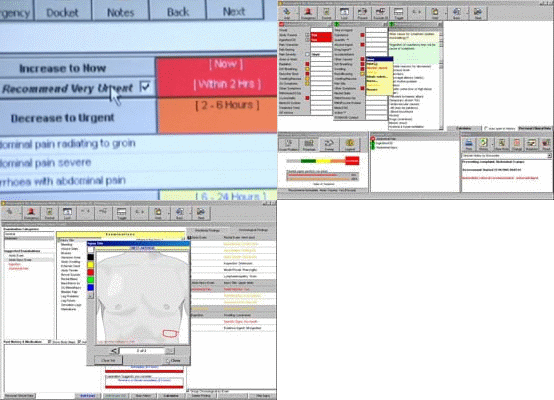
Odyssey may be custom configured to automatically track whether an encounter is “immediate”, “urgent” or “no special urgency”. Since the LifeBot® is the first and only EMS/ED teletriage telemedicine communications workstation that manages both teletriage and ALS calls, transitions may be elegantly managed from one powerful system, even with voice and video recording capabilities.

PDF DownloadDownload Teletriage EMS Brochure

PDF DownloadDownload Prison Teletriage Brochure

PDF DownloadDownload Teletriage Workstation Brochure

PDF DownloadDownload General Telemedicine Workstation Brochure

References:

TeleTriage Bibliography

Telephone Nurse Triage System Reduces Use of Emergency Department by Nonurgent Patients, Reducing Wait Times, Length of Stay, and Patient Walkouts Midland Memorial Hospital -The evidence consists of post-implementation data on the percentage of callers triaged to other care settings and pre- and post-implementation comparisons of various emergency department metrics, including volume of nonurgent patients, wait times, length of stay, patient walkouts, and patient satisfaction. view more…

Tele-Nursing: Lifting the Burden on Emergency Medical Services Controller of the City of Philadelphia – April 2009 : Estimates that the city may save $2.5 million annually implementing teletriage systems. view more…

Call Screening in Dallas: Triage with Care Journal of Emergency Medicine (JEMS), February 1983 “Dr. Clawson calls the nurse screening approach the “Cadillac” of selective dispatch philosophies. We asked Leilani Starks, RN, coordinator of the Dallas Fire Department’s call screening program, to describe the system there and the special challenges it presents.” view more…

Telephone Triage: The Quiet Revolution in Canada O’Hanley, Telemedicine Journal and e-Health – March 2004 : “The computer revolution has for almost a decade been central to a nursing revolution known as telephone triage. The registered nurse can be virtually out in any community to help patients and their caregivers make informed decisions on appropriate emergent intervention and the venue commensurate with the determined level of necessity.” This Canadian system handles 100,000 calls a month with 300 nurses. It has handled over 7 million calls for over 10 years without any significant patient legal issues. view more…

ED Telephone Triage: Gridlock or Access Sheila Wheeler : “Timely and appropriate access to care in the emergency department (ED) setting is a problem which has reached crisis proportions. Overcrowding (too many clients) and overutilization (innapropriate and unnecessary ED visits) impede access to healthcare services, sometimes barring those who genuinely need emergency care.” view more…

The Case for Publicly Funded Medical Call Centers Schmidt, Hertz, : “60% – 80% of pediatric ED visits are nonurgent or unnecessary (an office visit the next day or self care would be safe and effective). The unnecessary visit rate is lower for adults.” view more…

The Future of Telepractice Bio-medicine, Sheila Wheeler, October 2006 : “…in the future, many will practice from large national call centers. In these “mega call centers”, nurses may serve as the coordinator from the “hub” of an integrated computer and phone system — a network of phone-based health care services, calls ranging from crisis level to information-based and from telemedicine and internet based service to “POTs” — “plain old telephone” lines.” view more…

NASEMSO Input to NHTSA Strategic Plan – Docket No. NHTSA-2009-0171 January 4, 2010, Docket from National Association of State EMS Officials, mentioning LifeBot® EMS Workstation by name, that addresses major issues in safety for EMS and first responders. Obviously, if EMS emergency responses may be lowered significantly, as indicated by the teletriage documents above, then this safety for providers may be substantially increased. Costs would not only be reduced for EMS, but law enforcement responders as well. view more…

Tele-Nursing – A Revolution? Ian St. George and Michelle Branney, Healthline, “The coincidence of sophisticated software and critical mass of skilled nurses sets the scene for innovation… Telenursing should become a career path for nurses…” view more…

Telemed Bibliography

Telemedicine and Remote Monitoring Could Save $197 billion Kaufman Foundation – January 2010 : Report by Kauffman Foundation and Brookings Institute economist Robert E. Litan. “Remote monitoring can spot health problems sooner, reduce hospitalization, improve life quality and save money,” The United States economy could save $197 billion over 25 years by implementing policies that support remote monitoring and other telemedicine technologies. A failure to encourage healthcare providers to take advantage of telemedicine would cut the projected savings by almost $44 billion view more…

Survey: Consumers psyched about telemedical remote monitoring “A new survey by PricewaterhouseCoopers concluded that almost three-fourths of U.S. consumers say that they’d use telemedical services, which they defined as remote monitoring to track their condition and vital signs…. Researchers concluded that half of consumers would be willing to get healthcare online or through other computer technology instead of face-to-face care for non-emergency visits.” view more…

Broadband Internet’s Value for Rural America. USDA – Economic Research Report – August 2009 “The cost of not having telemedicine thus was estimated to average $370,000 per annum for the 24 rural hospitals. Communities with larger hospitals (2,000 or more patient encounters per month) would be forgoing over $500,000 per year if telemedicine were not offered.” Obviously for groups of hospitals or large provider organizations this means millions in savings regionally. view more…

Predicted utilization of emergency medical services telemedicine in decreasing ambulance transports. Prehospital Emergency Care, Haskins, Mayrose – 12/2002 “Use of EMS telemedicine could result in an approximately 15% decrease in ambulance transports when it alone is added to the prehospital care provider’s armamentarium. Emphasis for implementation should be placed on younger patients and an identified subset of chief complaints conducive to management using telemedicine.” view more…

National Telemedicine Initiatives: Essential to Healthcare Reform Telemedicine and eHealth, American Telemedicine Association – July 2009 “…telemedicine offers significant opportunities to address the issues of inequities in access to care, cost containment, and quality enhancement.” This paper by top telemedicine authorities illustrates where substantially more savings may be realized beyond the above references. view more…

Emergency Prepardness

JAC Report to Congress and the 9/11 Commission 12/2002 Kevin Martin, FCC Chairman – February 4, 2008 “In order to receive the benefits of telemedicine, electronic health care records,and other healthcare benefits, health providers must have access to underlying broadband infrastructure.” This report and recommendations from some of the nation’s most prominent officials also recommends IP based communications. The LifeBot® EMS Workstation is the only such IP based VOIP workstation available. view more…

LifeBot® EMS Communications and Telemedicine Workstation for Emergency Preparedness Now Available


TelePresence
: Video conferencing, video recording, instant messaging and data transfers may all be performed between hospital facilities, hospital departments, and ambulances.P25 700MHz: Add wireless broadband capacity and redundancy to 700 MHz P25 deployments enabling EMS telemedicine.Ambulance Telemedicine: Fully deployable with LifeBot® prehospital ambulance based telemedicine systems.STEMI 12-lead ECG: High capacity broadband compatible with ALL manufacturer’s 12-lead and ePCR software systems.Multicast: Instantly group multicast or conference using voice or video teleconferencing during major emergencies.ED Security: May include site security management with video displays of ambulance bay, heliport, etc. and manage remote door access directly from the communications systems display.
Grants: Qualifies for existing rural broadband, interoperative State, Homeland Security and HRSA grant proposals.Rapid Information Access: Includes custom private portal system for fast access to protocols, SOPs, and any critical information sharing for emergency preparedness.Instant Messaging and Paging: Send instant messaging e-mail alerts and mass file or data distribution to hospitals or providers directly from private secure portal display.TeleTrauma: Send live or recorded video or images directly from the scene to hospital and surgeons or neurologists.TeleStroke: Perform live or recorded stroke assessments in the field and/or from the home with videoconferencing.Upgrade Path: Upgradeable to future LifeBot® patented technologies for ED teletriage and telehealth home care.

The LifeBot® EMS Workstation is the first and only EMS telemedicine communications workstation that is a VOIP (Voice Over IP) based system with full compatibility and interoperability with digital radio systems including 700MHz P25, 800 MHz trunked, UHF, VHF, TETRA, and Phone/PSTN systems. Another first is the ability to talk throughout the Emergency Department using an optional portable telephone on both radio and telephone communications

The workstation utilizes proven ‘best of class’ softwares combined with a powerful computing platform so emergency professionals can truly multi-task communications and access to critical information. The communications hardware and software utilized is now deployed in more than 3500 locations. The system is fully upgradeable to our patented technologies. This system offers much improved prospective ROI (Return On Investment) and savings because of its increased future compatibilities and upgrade paths.

The workstation is the only system to include a 24/7/365 web based secure communications portal system that may be utilized anywhere with a conventional web browser to instantly access critical information and instantly page or deliver text messages to other providers.

LifeBot® systems are designed by R. Lee Heath, the renowned inventor of hands-free ‘combo’ pads making possible the modern Automatic External Defibrillator (AED) who has been designing emergency advanced life support communications systems for almost 40 years.

In November 2010, LifeBot® signed an agreement for DREAMStm, the advanced ambulance telemedicine system developed by the U.S. Army Materiel Command, Texas A&M University and the UTHealth Science Center at Houston. This system may be installed into the LifeBot® EMS Workstation. For more details on this system, please visit the web site link listed below.

PDF Download Download Brochure


LifeBot® provides exclusive patented telemedicine and telehealth solutions and digital collaborative systems to eliminate disparate communications issues during emergencies with full interoperability. We also integrate next generation broadband capabilities not inherent in today’s interoperative digital radio communications so the benefits of achieving telemedicine, telehealth, and emergency preparedness objectives may all be fully realized. To learn more about these systems, please contact us.

LifeBot® Connect, Communicate, Collaborate, Save Lives.

Inventor discusses the future of emergency mobile telemedicine

LifeBot!

Fierce Mobile Healthcare by Neil Versel November 24, 2009 — 2:19pm ET 

In our “Also Noted” section today, we mention some new telemedicine breakthroughs from medical inventor R. Lee Heath, the same person who developed the technology that underlies the automatic external defibrillator. Who is Heath and why is he someone to keep an eye on in the world of telemedicine and mobile healthcare? A recent interview in EMS Professional magazine answers those questions.

His current company, LifeBot, helps design communications systems for emergency medical care and–thanks to some Department of Homeland Security grants and contracts–response to mass-casualty incidents. Heath also had a hand in the mobile teletrauma video links now in use in Tucson, Ariz., and Baton Rouge, La., that FierceMobileHealthcare profiled in one of our first issues earlier this year. Those Wi-Fi-based systems were built with federal seed money, but the next generation of wireless Internet technology promises to cover a much broader area with a single router and be more suited for use in a motor vehicle such as an ambulance. Expect costs to plummet even as speed and network reliability increase.

“The door is opening and you can concentrate on quality patient care while patient data flows transparently to the hospital,” Heath says. “Less talking and more patient care will be the end result of current trends.”

view full article..


LifeBot® provides exclusive patented telemedicine and telehealth solutions and digital collaborative systems to eliminate disparate communications issues during emergencies with full interoperability. We also integrate next generation broadband capabilities not inherent in today’s interoperative digital radio communications so the benefits of achieving telemedicine, telehealth, and emergency preparedness objectives may all be fully realized. To learn more about these systems, please contact us.

LifeBot® Connect, Communicate, Collaborate, Save Lives.

EMS Professional – The Future of EMS Telemedicine

R. Lee Heath, the founder of LifeBot, was interviewed by Dan White of EMS Professional Magazine. This article comments about Next Generation Wi-Fi connectivity enabling the use of EMS Telemedicine.

click here to view article

also reported on FierceMobile Healthcare


LifeBot® provides exclusive patented telemedicine and telehealth solutions and digital collaborative systems to eliminate disparate communications issues during emergencies with full interoperability. We also integrate next generation broadband capabilities not inherent in today’s interoperative digital radio communications so the benefits of achieving telemedicine, telehealth, and emergency preparedness objectives may all be fully realized. To learn more about these systems, please contact us.

LifeBot® Connect, Communicate, Collaborate, Save Lives.